Buy aktfotos.eu ?
We are moving the project
aktfotos.eu .
Are you interested in purchasing the domain
aktfotos.eu ?
domain@kv-gmbh.de · 0541-91531010
Buy aktfotos.eu ?
Is this flowchart correct?
Yes, the flowchart appears to be correct. It clearly outlines the process of making a cup of tea, starting from gathering the ingredients to enjoying the final product. Each step is logically connected and easy to follow, making it an effective visual representation of the tea-making process. **
Is a flowchart correct?
The correctness of a flowchart depends on whether it accurately represents the process or system it is intended to depict. A flowchart can be considered correct if it effectively communicates the sequence of steps, decision points, and outcomes in a process. It should accurately reflect the logic and flow of the process, and be easily understandable to its intended audience. Regular review and validation by stakeholders can help ensure the correctness of a flowchart. **
Similar search terms for Flowchart
Top-Angebote
Products related to Flowchart:
-
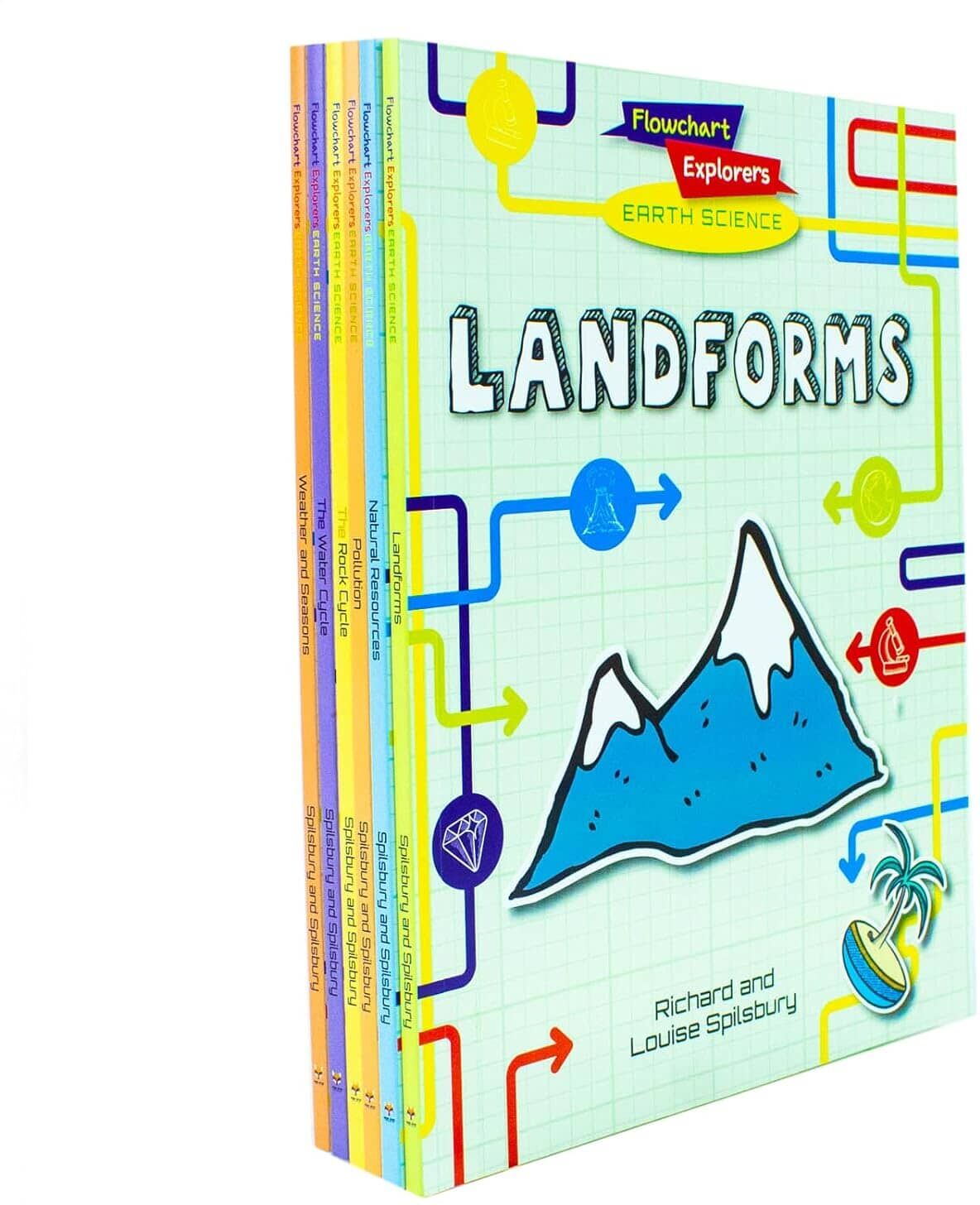
Flowchart Explorers Earth Science Series 6 Books Collection Set - Ages 9-11 - Paperback Fox Eye PublishingEmbark on a scientific journey with the "Flowchart Explorers Earth Science STEM" 6-book set! Explore topics such as landforms, natural resources, pollution, the rock cycle, water cycle, and weather in engaging geography and science books. Titles In This Set: Landforms Natural Resources Pollution Rock Cycle Water Cycle Weather Description: Landforms Dive into the diverse landscapes of Earth and learn about the formation of landforms such as mountains, valleys, and plains. Explore the forces of erosion, tectonic activity, and weathering that shape the Earth's surface. Natural Resources Explore the wealth of resources that Earth provides, from minerals and fuels to renewable sources like sunlight and water. Learn about the importance of sustainability and responsible management of natural resources for future generations. Pollution Investigate the various forms of pollution that impact our planet, from air and water pollution to waste and noise pollution. Discover the causes, effects, and solutions to environmental degradation, and the importance of conservation efforts. Rock Cycle Journey through the geological processes that form and transform rocks over time. Explore the three main rock types—igneous, sedimentary, and metamorphic—and the cyclical nature of their formation through processes like erosion, deposition, and heat and pressure. Water Cycle Follow the journey of water as it circulates between the Earth's surface, atmosphere, and underground reservoirs. Learn about evaporation, condensation, precipitation, and other key processes that drive the water cycle and sustain life on our planet. Weather Step into the dynamic world of weather and meteorology. Explore the factors that influence weather patterns, from temperature and humidity to air pressure and wind, and learn how to interpret weather maps, forecasts, and phenomena like storms and fronts.14,15 £*Shipping: 2,99 £Secure redirect to the provider
-
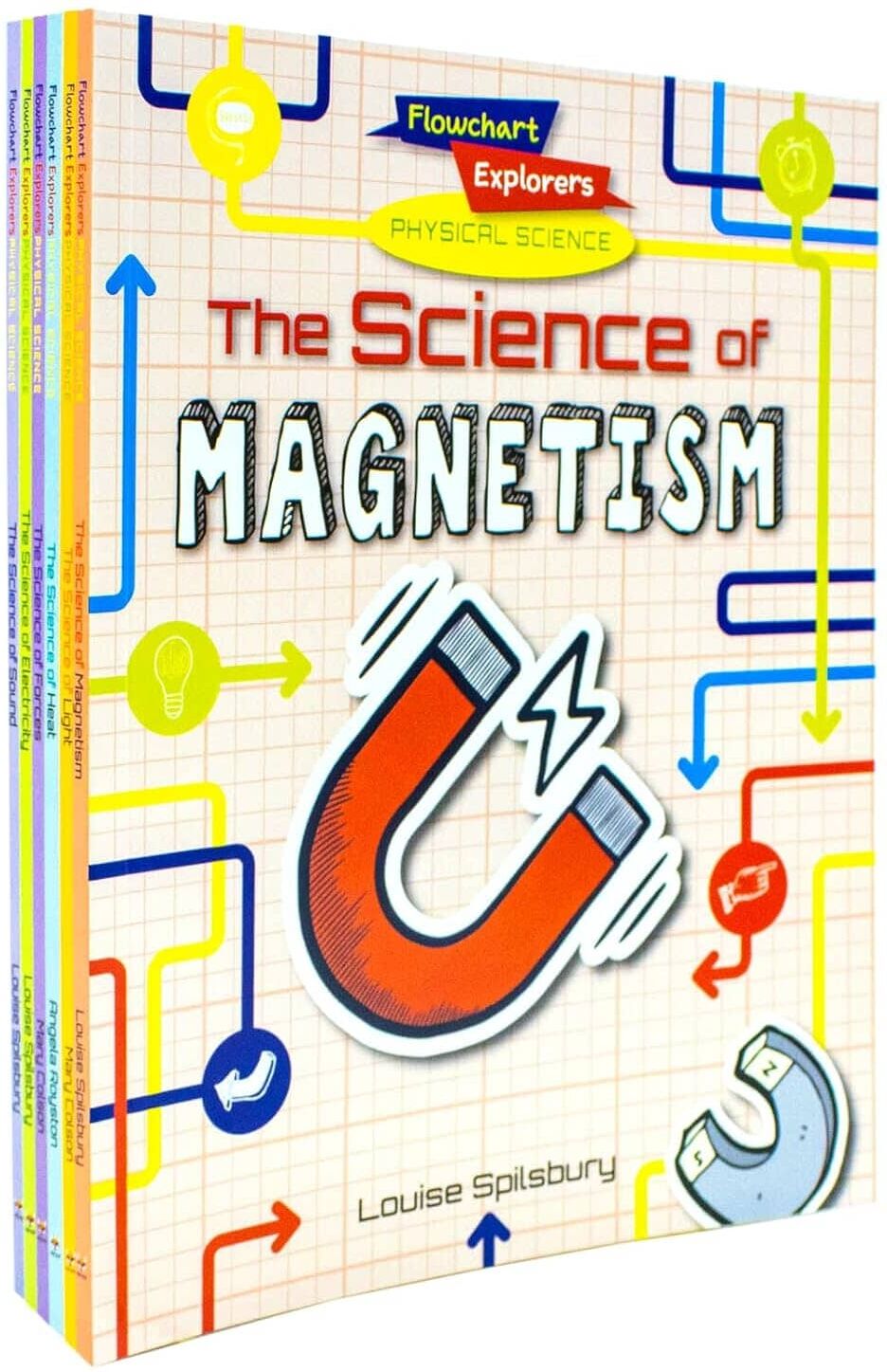
Flowchart Explorers Physical Science Series 6 Books Collection Set - Ages 9-11 - Paperback Fox Eye PublishingEmbark on a journey through the fundamentals of physical science with this captivating 6-book set! Explore the mysteries of electricity, forces, heat, light, magnetism, and sound through engaging STEM resources designed to spark curiosity and discovery. Titles In This Set: Electricity Forces Heat Light Magnetism Sound Description: Electricity Delve into the world of electricity and uncover its wonders, from the flow of electrons to the power of circuits. Explore the principles of conductors, insulators, voltage, and current in this electrifying exploration. Forces Discover the invisible forces that shape the world around us, from gravity to friction. Learn about Newton's laws of motion, the dynamics of objects in motion, and the fascinating interplay between forces and motion Heat Explore the science of heat and temperature, from the transfer of thermal energy to the principles of thermodynamics. Investigate the behavior of solids, liquids, and gases as they expand, contract, and change state with changes in temperature. Light Illuminate the mysteries of light and optics, from reflection and refraction to the electromagnetic spectrum. Investigate the properties of light waves, lenses, and mirrors, and learn how they shape our perception of the world. Magnetism Magnetism has an attractive pull! Discover the magnetic forces at work in our world, from the Earth's magnetic field to the behavior of magnets and magnetic materials. Explore the principles of attraction, repulsion, and magnetic induction. Sound Tune into the science of sound and vibrations, from the physics of sound waves to the mechanics of hearing. Explore the properties of pitch, frequency, amplitude, and resonance, and learn how sound travels through different mediums.15,00 £*Shipping: 2,99 £Secure redirect to the provider
-
Fox Eye Publishing Flowchart Explorers Earth Science 6 Book Set – Landforms, Water Cycle, Weather & STEM Geography CollectionUnderstanding earth science can be tricky, but flowcharts make it easy. Find out inside what earth science is, how it works, and how they impact the earth. Discover how earth science is at work everywhere on our planet!9,89 £*Shipping: 2,99 £Secure redirect to the provider
-
Joanna Sensual Gentle Intimate Hygiene Foam gentle feminine wash 260 mlJoanna Sensual Gentle Intimate Hygiene Foam, 260 ml, Intimate Wash for Women, The Joanna Sensual is a product that ensures soft and gentle daily care for intimate parts of the body. Characteristics: gently washes sensitive parts of the body does not irritate gives a long-term feeling of freshness practical and sanitary application How to use: Apply a small amount of the product to intimate parts, then rinse thoroughly.2,80 £*Shipping: 3,99 £Secure redirect to the provider


-
What does the flowchart look like?
The flowchart is a visual representation of a process or algorithm, typically consisting of different shapes connected by arrows to show the flow of steps. It starts with an oval shape representing the beginning of the process, followed by rectangles for actions or steps, diamonds for decision points, and ending with an oval shape for the conclusion or end of the process. The flowchart provides a clear and structured way to understand the sequence of steps and decision points in a process. **
-
How to create a flowchart program?
To create a flowchart program, you can use software such as Microsoft Visio, Lucidchart, or draw.io, which offer pre-made shapes and templates for creating flowcharts. Start by identifying the process you want to represent and break it down into individual steps. Then, use the flowchart software to drag and drop shapes onto the canvas, connecting them with arrows to represent the flow of the process. Add text to label each step and use different shapes to represent different actions or decisions. Finally, review and test the flowchart to ensure it accurately represents the process. **
-
How to implement this flowchart in Java?
To implement this flowchart in Java, you would need to use conditional statements such as if-else or switch-case to check the conditions at each decision point. You can use variables to store the values and update them based on the user input or calculations. You can also use loops to repeat certain parts of the flowchart if needed. Lastly, you can use methods to encapsulate different parts of the flowchart for better organization and readability. **
-
How can one present a flowchart beautifully?
To present a flowchart beautifully, one can start by choosing a clean and visually appealing design template. Use consistent colors, shapes, and fonts to create a cohesive look. Make sure the flowchart is easy to follow by organizing the information in a logical sequence and using arrows to show the direction of the flow. Lastly, consider adding icons or images to make the flowchart more engaging and visually interesting. **


How can one present a flowchart nicely?
To present a flowchart nicely, one can start by using a clear and logical layout with consistent spacing between shapes and connectors. It is important to use different shapes for different types of processes or decisions to make the flowchart easy to follow. Additionally, using colors to differentiate between different sections or levels of the flowchart can help make it visually appealing. Lastly, providing a clear and concise title at the top of the flowchart can help viewers quickly understand the purpose of the chart. **
'How do I create a program flowchart?'
To create a program flowchart, start by identifying the main steps or processes involved in the program. Then, use standard flowchart symbols such as start/end, input/output, decision, and process symbols to represent each step. Connect the symbols with arrows to show the flow of the program. Use proper labeling and annotations to provide clarity and understanding of the flowchart. Finally, review and test the flowchart to ensure it accurately represents the program's logic and functionality. **
Top-Angebote
Products related to Flowchart:
-
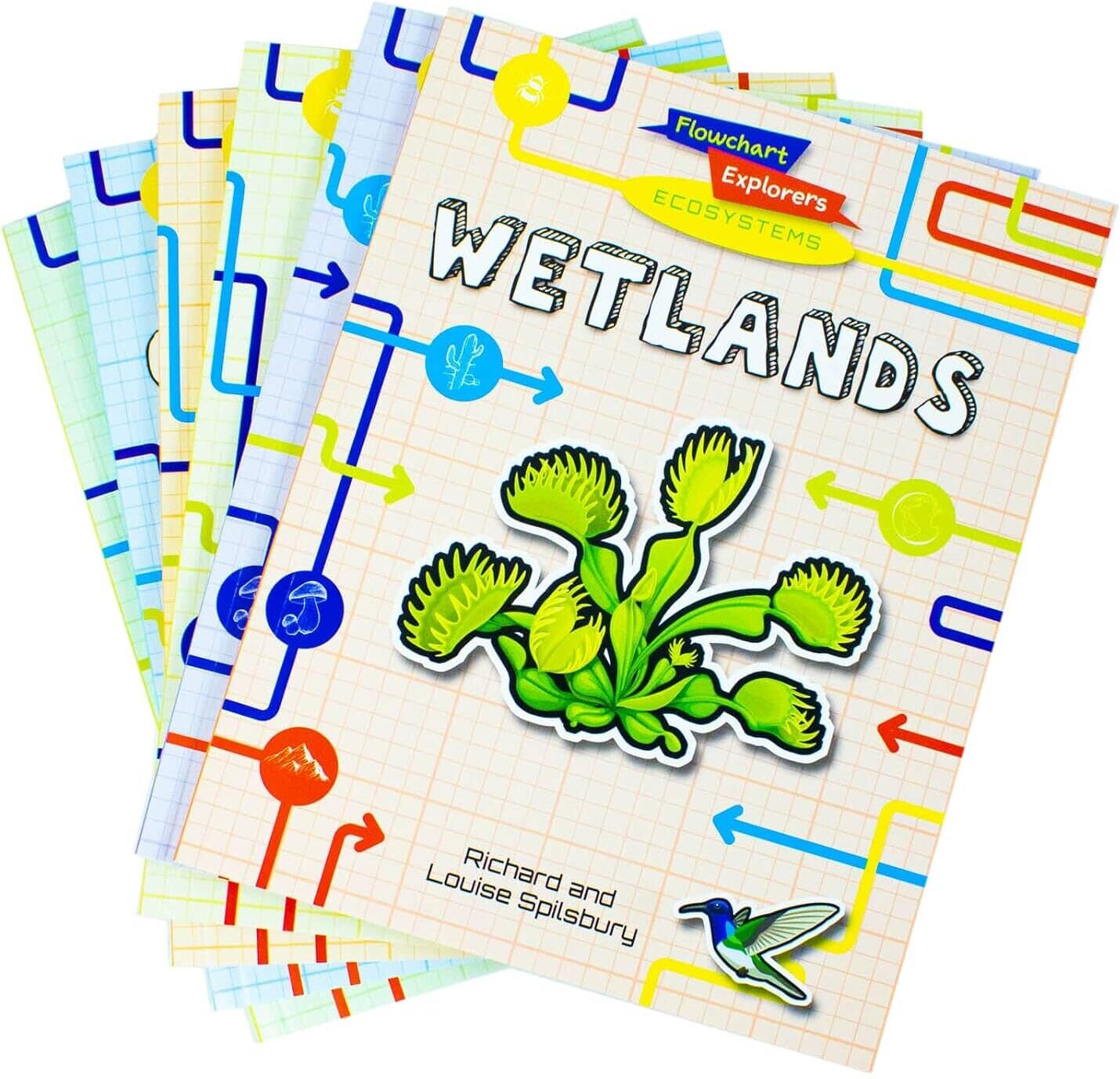
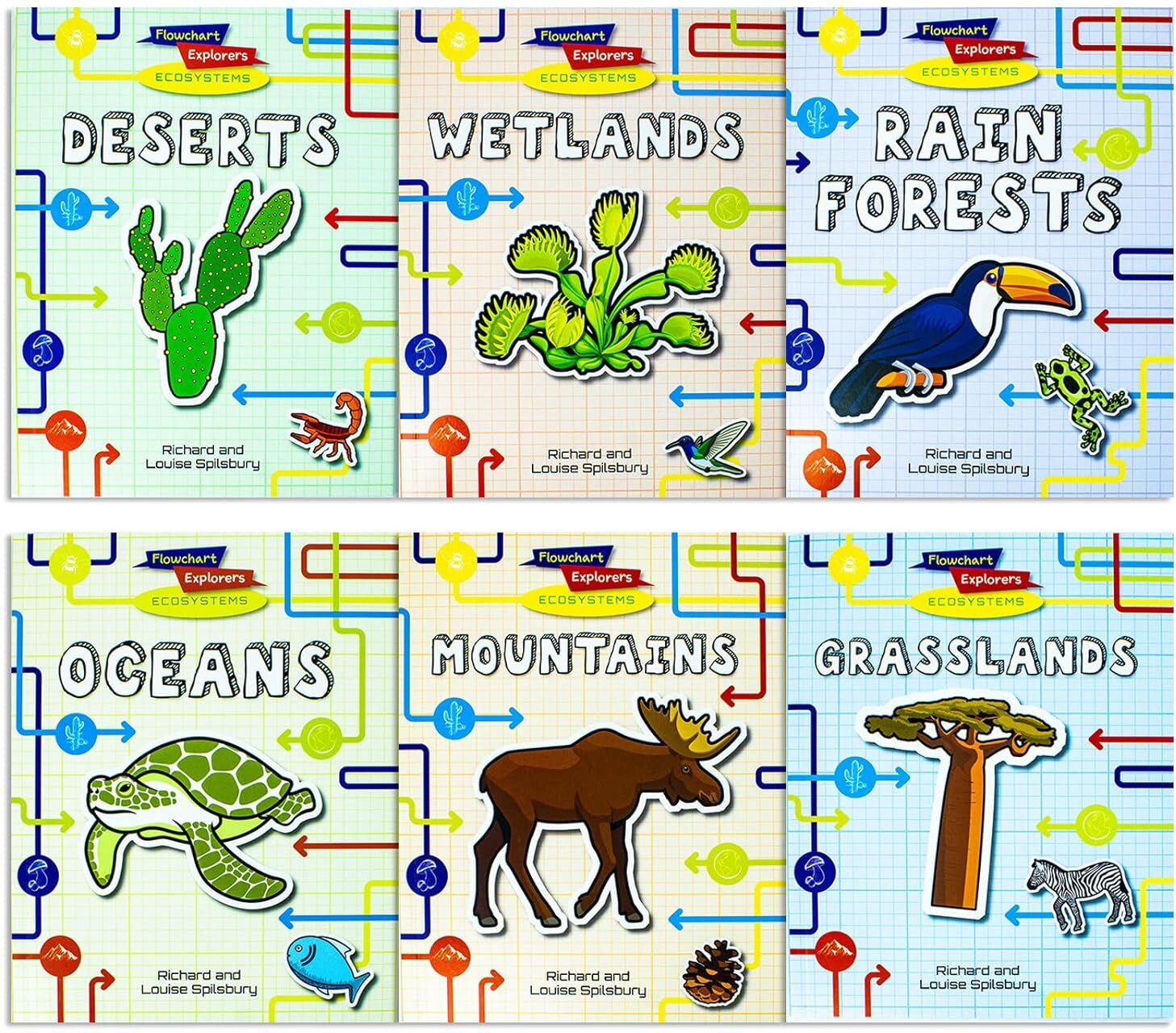
Flowchart Explorers Ecosystems Series 6 Books Collection Set - Ages 9-11 - Paperback Fox Eye PublishingEmbark on a journey of discovery with the "Flowchart Explorers Ecosystems STEM" 6-book set! Explore the wonders of deserts, grasslands, mountains, oceans, rainforests, and wetlands through engaging geography and science books. Titles In This Set: Deserts Grasslands Mountains Oceans Rain Forests Wetlands Description: Deserts Journey into the arid landscapes of deserts and uncover the unique adaptations of plants and animals to survive in extreme conditions. Explore the shifting sands and the fascinating life that thrives in these seemingly barren environments. Grasslands Roam the vast plains of grasslands and discover the rich biodiversity of these expansive ecosystems. Learn about the diverse wildlife, from grazing herbivores to cunning predators, and the essential role grasslands play in supporting life on Earth. Mountains Ascend to the towering peaks of mountains and explore the rugged terrain of these majestic landscapes. Discover the geological forces that shape mountains, the hardy flora and fauna that inhabit them, and the challenges of living at high altitudes. Oceans Dive into the depths of the oceans and unlock the mysteries of the world's largest and most vital ecosystems. From the sunlit surface to the abyssal depths, explore the incredible diversity of marine life and the interconnectedness of oceanic processes. Rain Forests Venture into the lush green canopies of rainforests and marvel at the incredible biodiversity found within these vibrant ecosystems. Discover the intricate relationships between plants, animals, and indigenous peoples, and the importance of conserving these irreplaceable habitats. Wetlands Wade into the tranquil waters of wetlands and explore the dynamic landscapes where water meets land. Learn about the diverse array of wetland ecosystems, from marshes to swamps, and their crucial role in filtering water, mitigating floods, and providing habitat for countless species.13,95 £*Shipping: 2,99 £Secure redirect to the provider
-
Fox Eye Publishing Flowchart Explorers Ecosystems 6 Book Set – Deserts, Oceans, Rainforests & STEM Geography CollectionUnderstanding ecosystems can be tricky, but flowcharts make it easy. Find out inside what ecosystems are, what plants and animals create them, and why it is so important to protect them. Discover how ecosystem science is at work everywhere on our planet!9,89 £*Shipping: 2,99 £Secure redirect to the provider
-
Flowchart Explorers Earth Science Series 6 Books Collection Set - Ages 9-11 - Paperback Fox Eye PublishingEmbark on a scientific journey with the "Flowchart Explorers Earth Science STEM" 6-book set! Explore topics such as landforms, natural resources, pollution, the rock cycle, water cycle, and weather in engaging geography and science books. Titles In This Set: Landforms Natural Resources Pollution Rock Cycle Water Cycle Weather Description: Landforms Dive into the diverse landscapes of Earth and learn about the formation of landforms such as mountains, valleys, and plains. Explore the forces of erosion, tectonic activity, and weathering that shape the Earth's surface. Natural Resources Explore the wealth of resources that Earth provides, from minerals and fuels to renewable sources like sunlight and water. Learn about the importance of sustainability and responsible management of natural resources for future generations. Pollution Investigate the various forms of pollution that impact our planet, from air and water pollution to waste and noise pollution. Discover the causes, effects, and solutions to environmental degradation, and the importance of conservation efforts. Rock Cycle Journey through the geological processes that form and transform rocks over time. Explore the three main rock types—igneous, sedimentary, and metamorphic—and the cyclical nature of their formation through processes like erosion, deposition, and heat and pressure. Water Cycle Follow the journey of water as it circulates between the Earth's surface, atmosphere, and underground reservoirs. Learn about evaporation, condensation, precipitation, and other key processes that drive the water cycle and sustain life on our planet. Weather Step into the dynamic world of weather and meteorology. Explore the factors that influence weather patterns, from temperature and humidity to air pressure and wind, and learn how to interpret weather maps, forecasts, and phenomena like storms and fronts.14,15 £*Shipping: 2,99 £Secure redirect to the provider
-
Flowchart Explorers Physical Science Series 6 Books Collection Set - Ages 9-11 - Paperback Fox Eye PublishingEmbark on a journey through the fundamentals of physical science with this captivating 6-book set! Explore the mysteries of electricity, forces, heat, light, magnetism, and sound through engaging STEM resources designed to spark curiosity and discovery. Titles In This Set: Electricity Forces Heat Light Magnetism Sound Description: Electricity Delve into the world of electricity and uncover its wonders, from the flow of electrons to the power of circuits. Explore the principles of conductors, insulators, voltage, and current in this electrifying exploration. Forces Discover the invisible forces that shape the world around us, from gravity to friction. Learn about Newton's laws of motion, the dynamics of objects in motion, and the fascinating interplay between forces and motion Heat Explore the science of heat and temperature, from the transfer of thermal energy to the principles of thermodynamics. Investigate the behavior of solids, liquids, and gases as they expand, contract, and change state with changes in temperature. Light Illuminate the mysteries of light and optics, from reflection and refraction to the electromagnetic spectrum. Investigate the properties of light waves, lenses, and mirrors, and learn how they shape our perception of the world. Magnetism Magnetism has an attractive pull! Discover the magnetic forces at work in our world, from the Earth's magnetic field to the behavior of magnets and magnetic materials. Explore the principles of attraction, repulsion, and magnetic induction. Sound Tune into the science of sound and vibrations, from the physics of sound waves to the mechanics of hearing. Explore the properties of pitch, frequency, amplitude, and resonance, and learn how sound travels through different mediums.15,00 £*Shipping: 2,99 £Secure redirect to the provider
-
Is this flowchart correct?
Yes, the flowchart appears to be correct. It clearly outlines the process of making a cup of tea, starting from gathering the ingredients to enjoying the final product. Each step is logically connected and easy to follow, making it an effective visual representation of the tea-making process. **
-
Is a flowchart correct?
The correctness of a flowchart depends on whether it accurately represents the process or system it is intended to depict. A flowchart can be considered correct if it effectively communicates the sequence of steps, decision points, and outcomes in a process. It should accurately reflect the logic and flow of the process, and be easily understandable to its intended audience. Regular review and validation by stakeholders can help ensure the correctness of a flowchart. **
-
What does the flowchart look like?
The flowchart is a visual representation of a process or algorithm, typically consisting of different shapes connected by arrows to show the flow of steps. It starts with an oval shape representing the beginning of the process, followed by rectangles for actions or steps, diamonds for decision points, and ending with an oval shape for the conclusion or end of the process. The flowchart provides a clear and structured way to understand the sequence of steps and decision points in a process. **
-
How to create a flowchart program?
To create a flowchart program, you can use software such as Microsoft Visio, Lucidchart, or draw.io, which offer pre-made shapes and templates for creating flowcharts. Start by identifying the process you want to represent and break it down into individual steps. Then, use the flowchart software to drag and drop shapes onto the canvas, connecting them with arrows to represent the flow of the process. Add text to label each step and use different shapes to represent different actions or decisions. Finally, review and test the flowchart to ensure it accurately represents the process. **
Similar search terms for Flowchart
-
Fox Eye Publishing Flowchart Explorers Earth Science 6 Book Set – Landforms, Water Cycle, Weather & STEM Geography CollectionUnderstanding earth science can be tricky, but flowcharts make it easy. Find out inside what earth science is, how it works, and how they impact the earth. Discover how earth science is at work everywhere on our planet!9,89 £*Shipping: 2,99 £Secure redirect to the provider
-
Joanna Sensual Gentle Intimate Hygiene Foam gentle feminine wash 260 mlJoanna Sensual Gentle Intimate Hygiene Foam, 260 ml, Intimate Wash for Women, The Joanna Sensual is a product that ensures soft and gentle daily care for intimate parts of the body. Characteristics: gently washes sensitive parts of the body does not irritate gives a long-term feeling of freshness practical and sanitary application How to use: Apply a small amount of the product to intimate parts, then rinse thoroughly.2,80 £*Shipping: 3,99 £Secure redirect to the provider
-
Montale Sensual Instinct EDP U 50 mlMontale Sensual Instinct, 50 ml, Eaux de Parfum unisex, New day – new opportunity to tackle more challenges. Montale Sensual Instinct unisex Eau de Parfum will refresh your mind so that you can boldly follow your instinct. Embrace your everyday adventures! unique fragrance for a unique personality unisex – suitable for both women and men85,50 £*Shipping: 3,99 £Secure redirect to the provider
-
How to implement this flowchart in Java?
To implement this flowchart in Java, you would need to use conditional statements such as if-else or switch-case to check the conditions at each decision point. You can use variables to store the values and update them based on the user input or calculations. You can also use loops to repeat certain parts of the flowchart if needed. Lastly, you can use methods to encapsulate different parts of the flowchart for better organization and readability. **
-
How can one present a flowchart beautifully?
To present a flowchart beautifully, one can start by choosing a clean and visually appealing design template. Use consistent colors, shapes, and fonts to create a cohesive look. Make sure the flowchart is easy to follow by organizing the information in a logical sequence and using arrows to show the direction of the flow. Lastly, consider adding icons or images to make the flowchart more engaging and visually interesting. **
-
How can one present a flowchart nicely?
To present a flowchart nicely, one can start by using a clear and logical layout with consistent spacing between shapes and connectors. It is important to use different shapes for different types of processes or decisions to make the flowchart easy to follow. Additionally, using colors to differentiate between different sections or levels of the flowchart can help make it visually appealing. Lastly, providing a clear and concise title at the top of the flowchart can help viewers quickly understand the purpose of the chart. **
-
'How do I create a program flowchart?'
To create a program flowchart, start by identifying the main steps or processes involved in the program. Then, use standard flowchart symbols such as start/end, input/output, decision, and process symbols to represent each step. Connect the symbols with arrows to show the flow of the program. Use proper labeling and annotations to provide clarity and understanding of the flowchart. Finally, review and test the flowchart to ensure it accurately represents the program's logic and functionality. **
* All prices are inclusive of VAT and, if applicable, plus shipping costs. The offer information is based on the details provided by the respective shop and is updated through automated processes. Real-time updates do not occur, so deviations can occur in individual cases. ** Note: Parts of this content were created by AI.